

Unwind in Your Own Zen Garden: A Relaxing Guide to Creating Your Perfect Outdoor Escape
- Green Spaces

- Apr 13, 2025
- 4 min read
Creating a calm garden retreat can significantly enhance your mental health and personal well-being. In our fast-paced lives, a peaceful garden serves as a sanctuary where we can practice mindfulness and connect with nature.
This guide will show you simple steps to design a serene garden space to escape to whenever you need a moment of tranquillity.
Understanding the Concept of a Zen Garden
What is a Zen garden? At its core, a Zen garden is a space designed for meditation and relaxation. These gardens often have rocks, gravel, and minimal plant life to promote simplicity and solitude. You can still create a peaceful atmosphere by personalising your space with your favourite plants and colours. For example, adding vibrant flowers or unique sculptures can reflect your personality and spirit.
Incorporating elements of a Zen garden helps with mindfulness. The rhythmic act of raking gravel can become a meditative practice, while carefully placing stones may symbolise your journey through life, reminding you of its ups and downs.
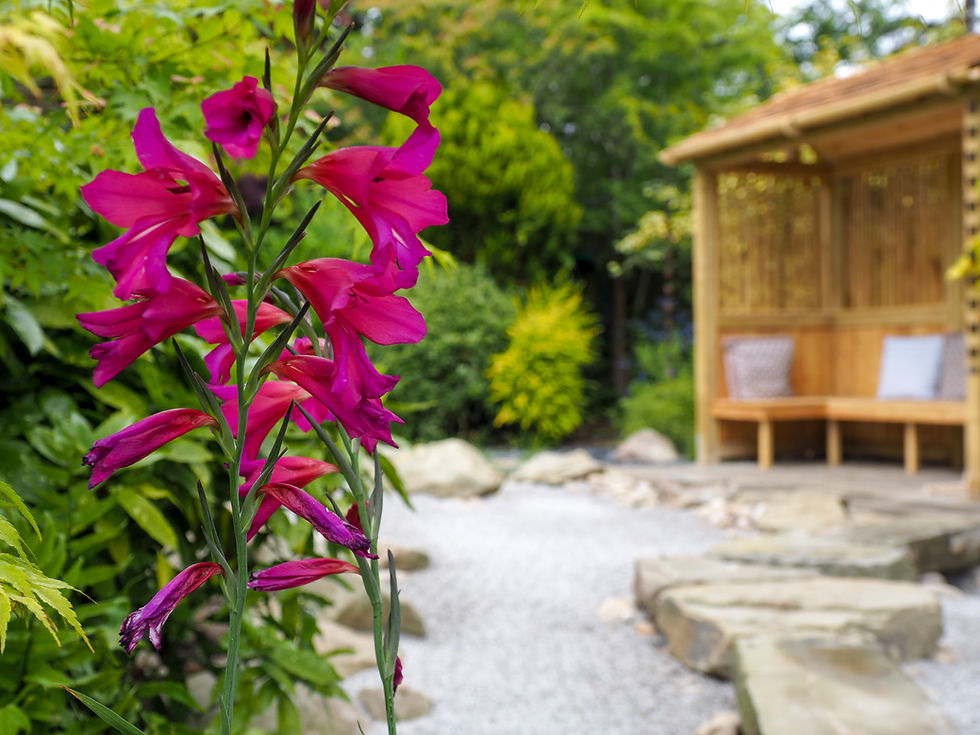
Choosing the Right Location
The first step in creating your garden retreat is choosing the perfect spot. Ideally, it should be a comfortable space away from everyday distractions. For instance, look for a corner in your garden that receives some sunlight yet has shaded areas for those hotter days. Having natural barriers like trees or hedges can create a sense of enclosure, enhancing your feeling of escape.
Also, consider accessibility. Your garden should be easy to reach. A special spot encourages you to use the space more often.
Designing a Mindful Atmosphere
Designing your tranquil garden requires thinking about the elements that promote serenity. Here are some ideas to create a mindful atmosphere:
Soft Pathways: Using materials like pebbles, gravel, or wood for pathways will guide you through the garden. This provides a soothing tactile experience for your feet.
Water Features: The sound of flowing water can be incredibly calming. Consider adding a small fountain or pond. Even a birdbath can attract wildlife and enhance your garden's peaceful ambience.
Seating Areas: Create cosy nooks with seating areas designed for relaxation. Add cushions or outdoor blankets to encourage you to sit, read, or soak in the garden’s beauty.
Artistic Touches: Consider incorporating sculptures, wind chimes, or natural decorations that hold personal meaning. Each piece can promote reflection, adding mindfulness to your outdoor space.

Planting Plan for Serenity
Choosing the right plants is vital for creating a peaceful vibe. Here’s a straightforward planting plan to help you:
Low-Maintenance Plants: Opt for plants that require little care. Native species or hardy succulents typically thrive with minimal upkeep, allowing you to enjoy your garden stress-free.
Fragrant Flowers: Include plants with calming aromas, like lavender or jasmine. Their scents not only elevate your mood but also transform your garden into an aromatic haven.
Layering Foliage: Mix plant heights and colours for depth and visual appeal. Placing taller plants at the back and colourful flowers in front creates interest. This layering effect can stimulate your senses and promote visual calm.
Sensory Plants: Integrate plants appealing to different senses, such as soft grasses to touch, vibrant flowers to admire, and aromatic herbs for their pleasing smells.
Incorporating Mindfulness Practices
Now that you have designed your garden space, consider integrating mindfulness practices into your outdoor retreat. Here are some activities to deepen your connection with nature:
Meditation: Take a few moments to meditate in your garden. Use a meditation cushion or sit directly on the ground, focusing on your breath as you listen to the natural sounds around you.
Gardening as Therapy: Tending to your plants offers a grounding experience. Engaging your senses with the earth helps promote presence and connection.
Journaling Outdoors: Bringing a journal to your garden allows for reflection. Write about your thoughts, feelings, or even poetry as you enjoy your surroundings. This practice fosters an appreciation for your environment.
Gentle Yoga: If you enjoy yoga, practice stretching in your garden. The calm surroundings will enhance your practice and aid relaxation.

Maintaining Your Garden Retreat
After designing your garden, keeping it serene requires some effort. Dedicate time each week for light maintenance, ensuring it remains a tranquil escape. Regularly remove weeds, clean up debris, and check on your plants. Consistency is key to preserving a peaceful atmosphere.
Consider experimenting with seasonal plants, changing your garden's look with new life. For example, planting spring bulbs or autumn perennials adds variety and energy, keeping your sanctuary fresh.
Your Path to Peace and Relaxation
Creating a calm garden retreat is more than just aesthetics; it’s about crafting a personal space that enhances well-being and fosters peace. Thoughtful design, mindful planting, and dedicated practices can turn your garden into a cherished escape.
Embrace the journey and let your garden evolve. By doing so, you create a space that reflects your inner being and offers a soothing retreat from daily life.
So gather your gardening tools, select some lovely plants, and start building your zen oasis. Your mind and spirit will be grateful!


Comments